Literal translation
Word-for-word translation produces a message that doesn’t suit the audience.
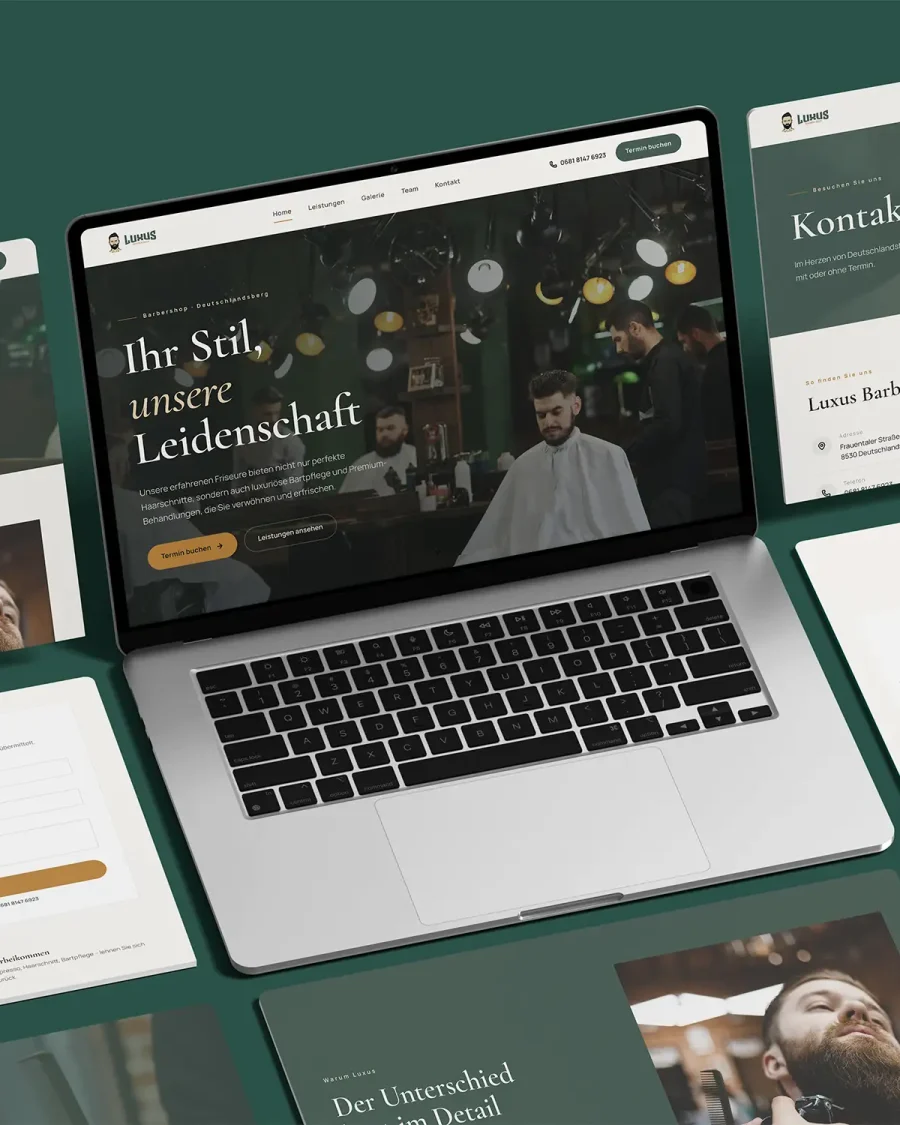
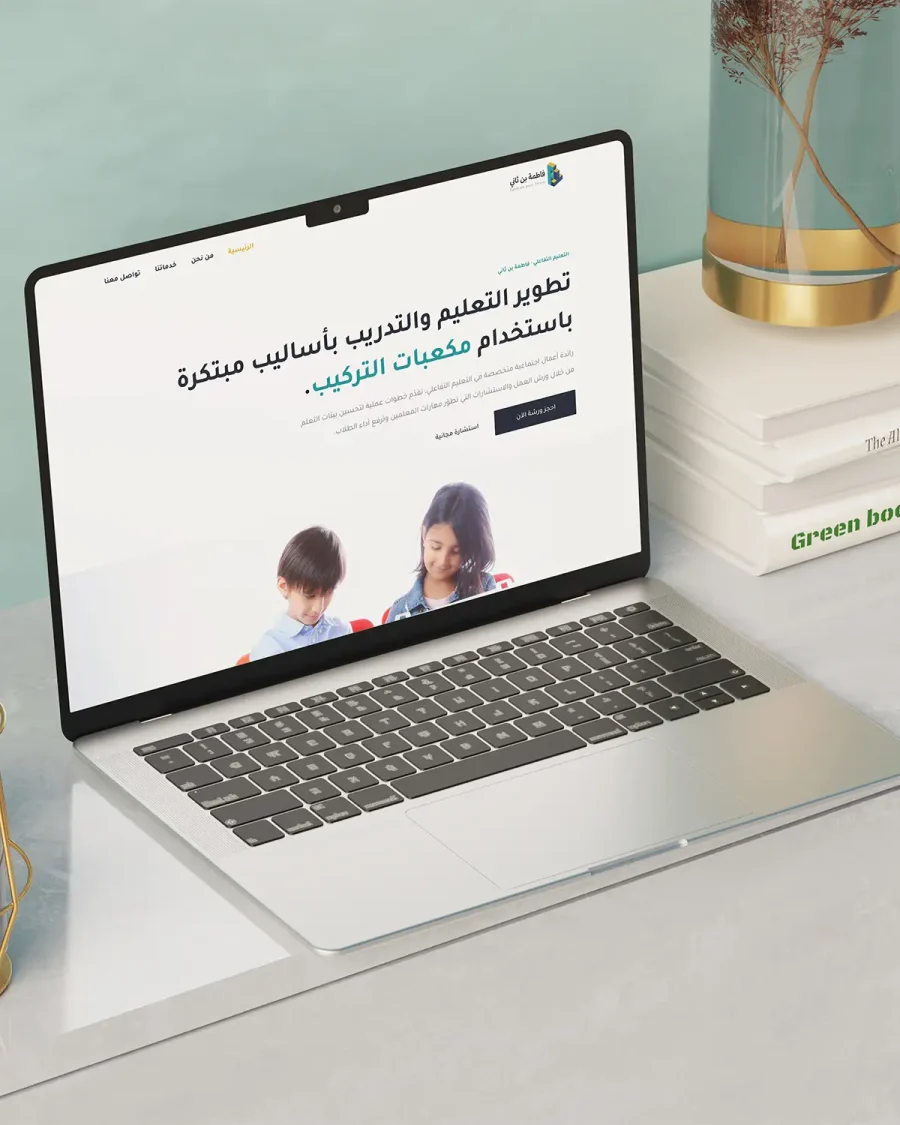
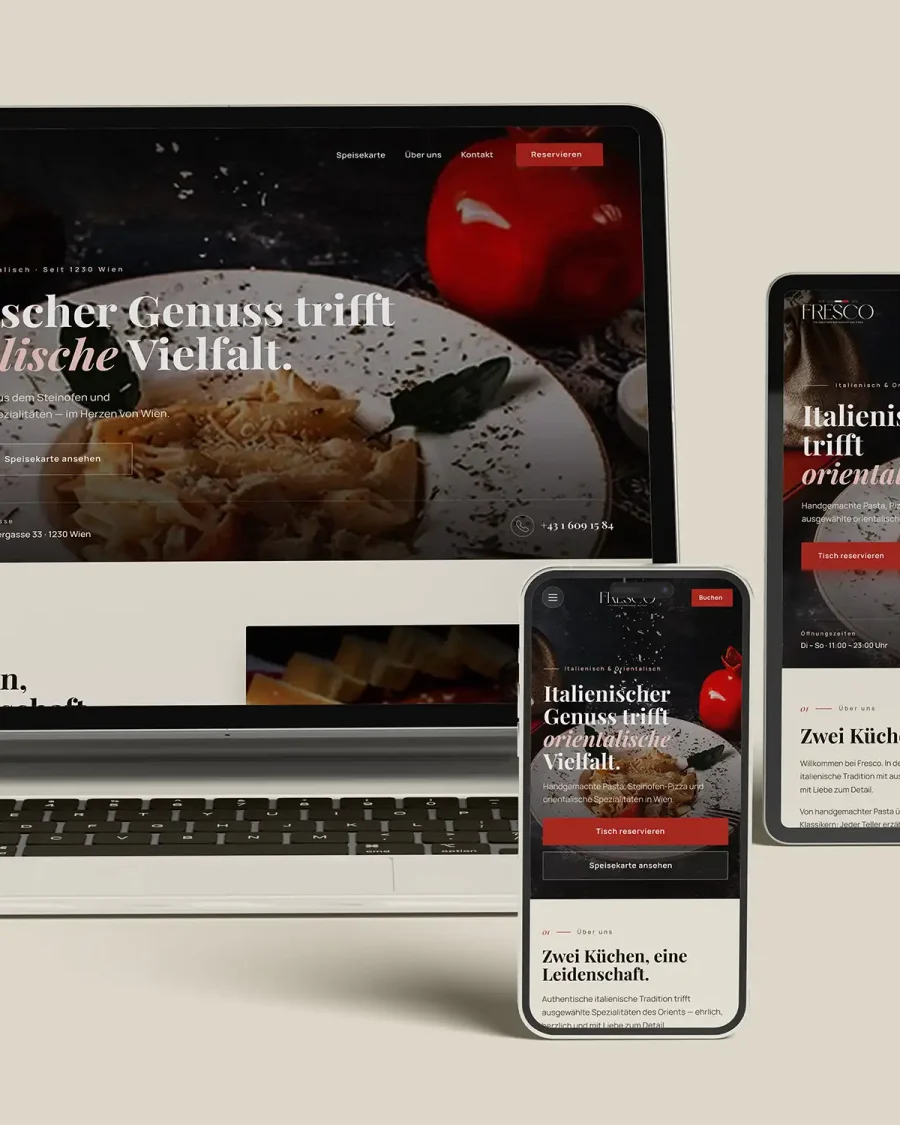
Arabic reads right to left. German competes in a different market. I build all three language versions with a clear language structure, correct RTL/LTR behaviour and separate SEO signals.
A multilingual website isn't a literal translation of the same text. Each language has its own audience, reading direction, cultural context, and way of presenting a message. I build websites in Arabic, English, and German that account for language direction (RTL/LTR), different markets, user experience, and SEO for each language — so each version feels native to its audience, not machine-translated.
01 / The problem
Many multilingual sites are built by translating the same text word for word, which creates problems: a message that doesn't suit the audience, broken layout when switching between Arabic (RTL) and Latin (LTR), mixed languages, or SEO that competes with itself across versions. A good multilingual site treats each language as its own experience, not a copy of another.
Word-for-word translation produces a message that doesn’t suit the audience.
Switching between Arabic and Latin breaks the design if not handled properly.
Versions bleed into each other, confusing visitors and search engines.
Without separate structure, language versions compete instead of ranking cleanly.
02 / The outcome
A good multilingual site speaks to each audience in its own language and context, handles language direction correctly, and keeps SEO clean and separate for each version.
Each language suits its audience in message, tone, and context.
Clean RTL/LTR layout when switching between Arabic and Latin scripts.
Each version structured to rank for its own market without competing.
A site that speaks to Arabic-speaking and European audiences alike.
03 / What's included
The scope depends on the languages and markets. The goal is always a site where each language version feels native to its audience.
Defining the languages, target markets, and how content should differ per audience.
Layouts that work correctly in both Arabic (RTL) and Latin (LTR) directions.
Messages adapted to each audience, not translated literally.
A clear way for visitors to move between language versions.
Separate structure, headings, and meta so each language ranks cleanly.
Fonts suited to Arabic and Latin scripts for readability.
A manageable multilingual site, usually on WordPress, with organized versions.
Testing each language, direction, links, and forms before going live.
04 / Who it's for
Suited to any project targeting more than one market or language and needing each version to suit its audience.
You address both Arabic-speaking and European audiences.
You need German and English versions alongside Arabic.
You’re reaching new markets and need a site that speaks their language.
You need a proper Arabic experience, not a mirrored afterthought.
You have a site and want to add a language version cleanly.
05 / The process
A multilingual project starts with the languages and markets, then builds each version to suit its audience — direction, content, and SEO included.
We determine the languages, target markets, and how content should differ per audience.
We organize the site for both RTL and LTR and plan the language switching.
I design versions suited to each language, with appropriate typography and adapted content.
I build a manageable multilingual site, usually on WordPress, with clean separation per language.
We set up multilingual SEO, then test each language, direction, links, and forms before launch.
06 / Why me
I work across Arabic-speaking and European markets, so I understand the differences in language direction, culture, and audience — not just translation. I build each version to feel native, with correct RTL/LTR handling, suitable content, and clean SEO per language.
I work across Arabic-speaking and European markets and understand their differences.
Correct handling of Arabic and Latin direction, not a mirrored afterthought.
Each version suits its audience in message and tone, not word-for-word.
Each language structured to rank for its own market.
No fixed packages
I don't use fixed packages, because a two-language site is different from one with three languages, RTL support, and separate SEO per version. After understanding the languages, markets, and content, I present a proposal that fits the real scope.
09 / FAQ
No.
Yes.
Arabic, English and German.
Yes.
Yes.
Yes. If built on WordPress, you can manage content per language from an organized control panel.
Content can come from your side or be adapted together. The focus is on making each version suit its audience, not just translating text.
Start a multilingual project
Tell me your languages and target markets, and I'll build a multilingual site where each version suits its audience — Arabic, English, and German.