



مواقع متعددة اللغات مبنية لكل جمهور على حدة.
العربية تُقرأ من اليمين، والألمانية تنافس في سوق آخر. أبني النسخ الثلاث ببنية لغات واضحة، وسلوك RTL/LTR صحيح، وSEO منفصل لكل لغة.
الموقع متعدد اللغات ليس نسخة مترجمة حرفيًا من النص نفسه. كل لغة لها جمهورها، اتجاهها، وسياقها. أبني مواقع تجعل كل نسخة مناسبة لجمهورها، مع تعامل صحيح مع العربية RTL، وبنية واضحة، وSEO منفصل لكل لغة.
مناسب لـ
AR · EN · DE
يشمل
RTL و LTR
يركز على
السياق و SEO
المنصة
WordPress غالبًا
01 / المشكلة
المشاكل الشائعة
كثير من المواقع متعددة اللغات تُبنى بترجمة النص نفسه حرفيًا، فتظهر مشاكل في الرسالة، وتجربة العربية RTL، وخلط اللغات، وSEO المتنافس بين النسخ. الموقع الجيد يتعامل مع كل لغة كتجربة مستقلة، لا كنسخة من لغة أخرى.
RTL مكسور
روابط لغات غير منظمة
SEO متنافس
محتوى لا يناسب السوق
Language Switcher مربك
02 / النتيجة
ما الذي يجب أن يفعله الموقع متعدد اللغات الجيد؟
الموقع متعدد اللغات الجيد يخاطب كل جمهور بلغته وسياقه، يتعامل مع اتجاه اللغة بشكل صحيح، ويحافظ على SEO واضح ومنفصل لكل نسخة.
نسخ تبدو طبيعية لكل جمهور
كل لغة تناسب جمهورها في الرسالة، النبرة، والسياق.
تعامل صحيح مع الاتجاه
تصميم نظيف عند التبديل بين العربية RTL واللغات اللاتينية LTR.
SEO واضح لكل لغة
كل نسخة مبنية لتظهر في سوقها بدون منافسة داخلية.
وصول أوسع
موقع يخاطب الجمهور العربي والأوروبي بطريقة مناسبة لكل طرف.
03 / ماذا تشمل الخدمة
يشمل
يعتمد النطاق على اللغات والأسواق. الهدف دائمًا موقع يشعر فيه كل جمهور أن نسخته صُممت له.
Language Architecture
RTL/LTR
Polylang / WordPress
Language Switcher
Hreflang
Self Canonical
SEO منفصل
Typography لكل لغة
مراجعة الروابط والنماذج
محتوى مكيّف لكل سوق
04 / لمن تناسب هذه الخدمة
مناسب لـ
تناسب أي مشروع يستهدف أكثر من سوق أو لغة ويحتاج أن تكون كل نسخة مناسبة لجمهورها.
العراق + السوق الدولي
الشركات في أوروبا التي تخاطب العرب
المواقع العربية/الإنجليزية
المشاريع التي تضيف لغة جديدة
العلامات التي تستهدف عدة أسواق
05 / طريقة العمل
كيف يتم بناء موقع متعدد اللغات؟
يبدأ المشروع متعدد اللغات بتحديد اللغات والأسواق، ثم بناء كل نسخة لتناسب جمهورها — الاتجاه، المحتوى، وSEO.
تحديد اللغات والأسواق
نحدد اللغات، الأسواق المستهدفة، وكيف يجب أن يختلف المحتوى لكل جمهور.
تخطيط البنية والاتجاه
ننظم الموقع ليدعم RTL وLTR ونخطط طريقة التنقل بين اللغات.
التصميم والمحتوى
أصمم نسخًا مناسبة لكل لغة مع Typography ومحتوى مناسبين.
التطوير
أبني موقعًا متعدد اللغات قابلًا للإدارة، غالبًا على WordPress، مع فصل واضح بين النسخ.
SEO والمراجعة
نضبط SEO متعدد اللغات ثم نختبر كل لغة، الاتجاه، الروابط، والنماذج قبل الإطلاق.
06 / لماذا YASIR KAREEM
لماذا تبني موقعك متعدد اللغات معي؟
أعمل بين الأسواق العربية والأوروبية، لذلك أفهم أن اختلاف اللغة ليس مجرد ترجمة أو اتجاه نص. أبني كل نسخة لتبدو طبيعية لجمهورها، مع تعامل صحيح مع RTL/LTR، ومحتوى مناسب، وSEO واضح لكل لغة.
خبرة متعددة الأسواق
أعمل بين أسواق عربية وأوروبية وأفهم اختلافاتها.
RTL و LTR بطريقة صحيحة
تعامل صحيح مع العربية واللغات اللاتينية، لا نسخة معكوسة فقط.
محتوى لا ترجمة فقط
كل نسخة تناسب جمهورها في الرسالة والنبرة.
SEO واضح لكل لغة
كل لغة مبنية لتظهر في سوقها بشكل منفصل.
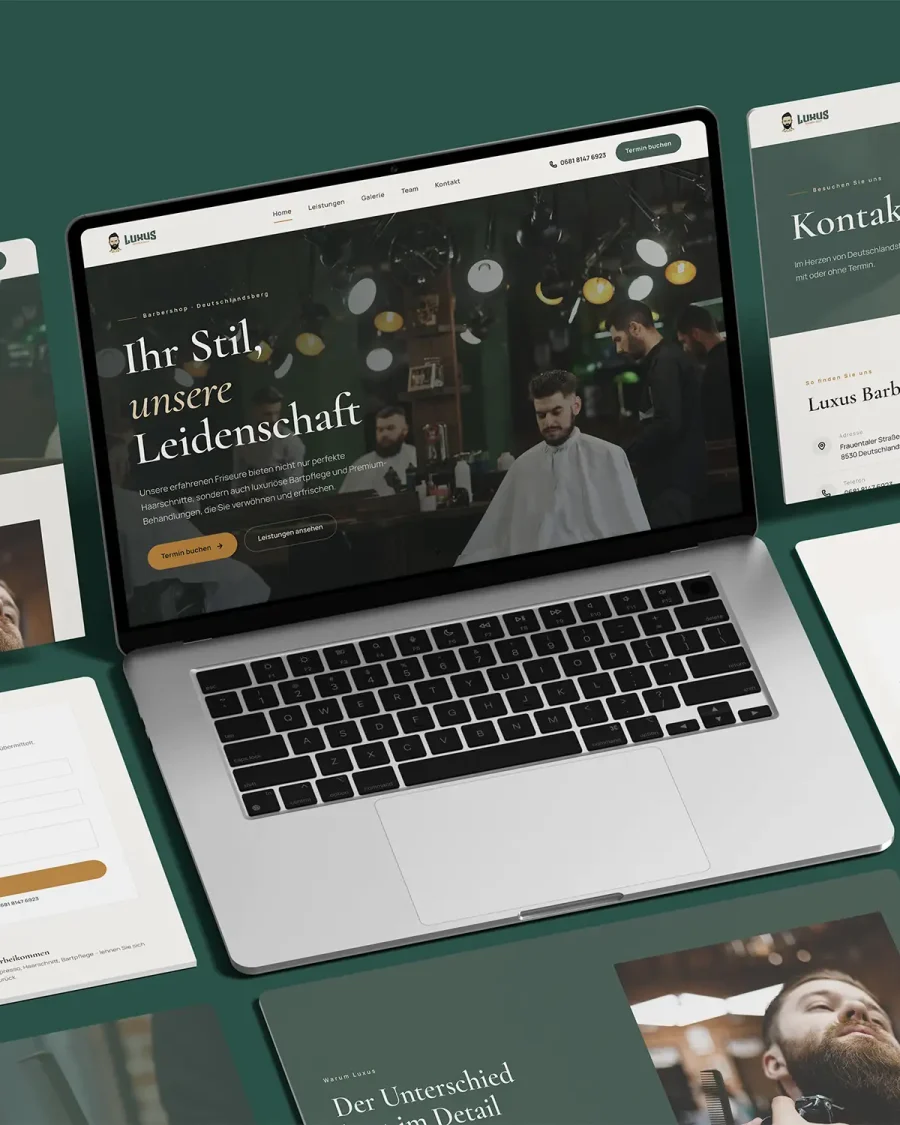
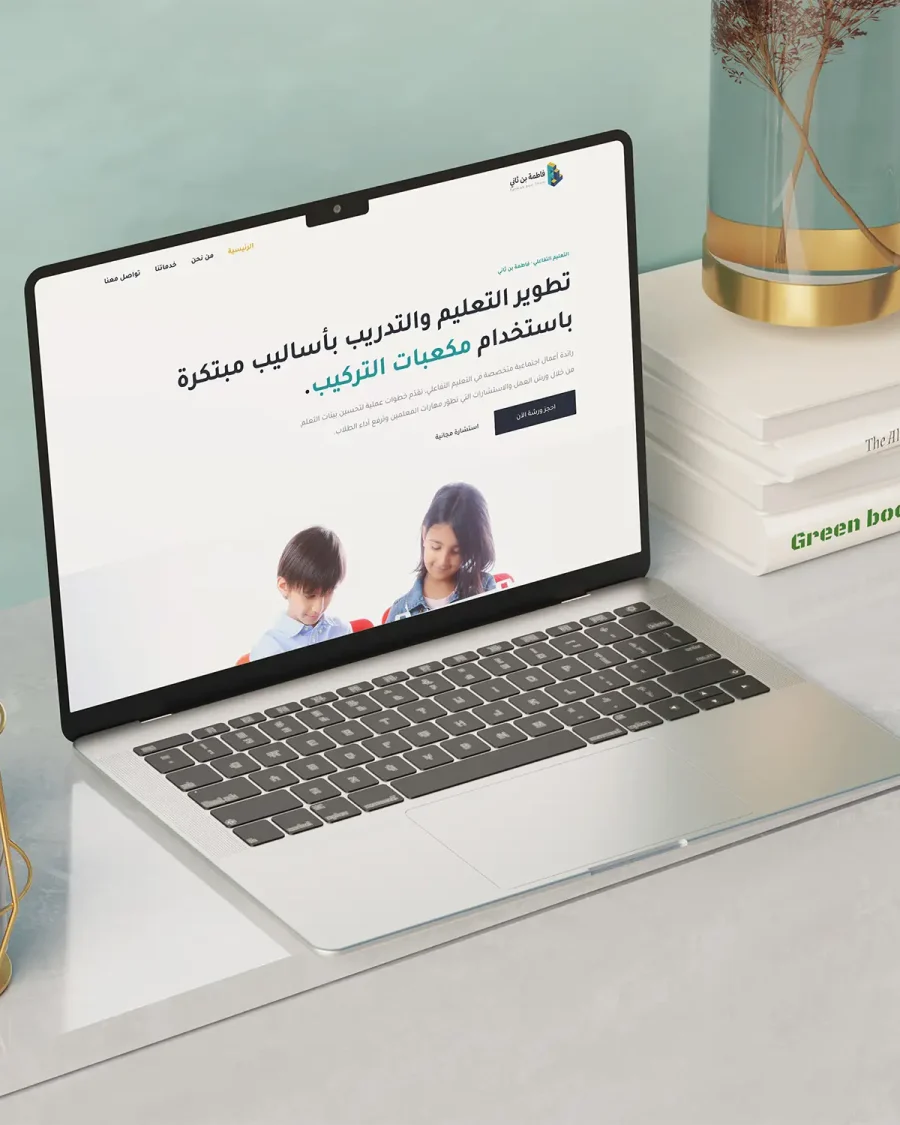
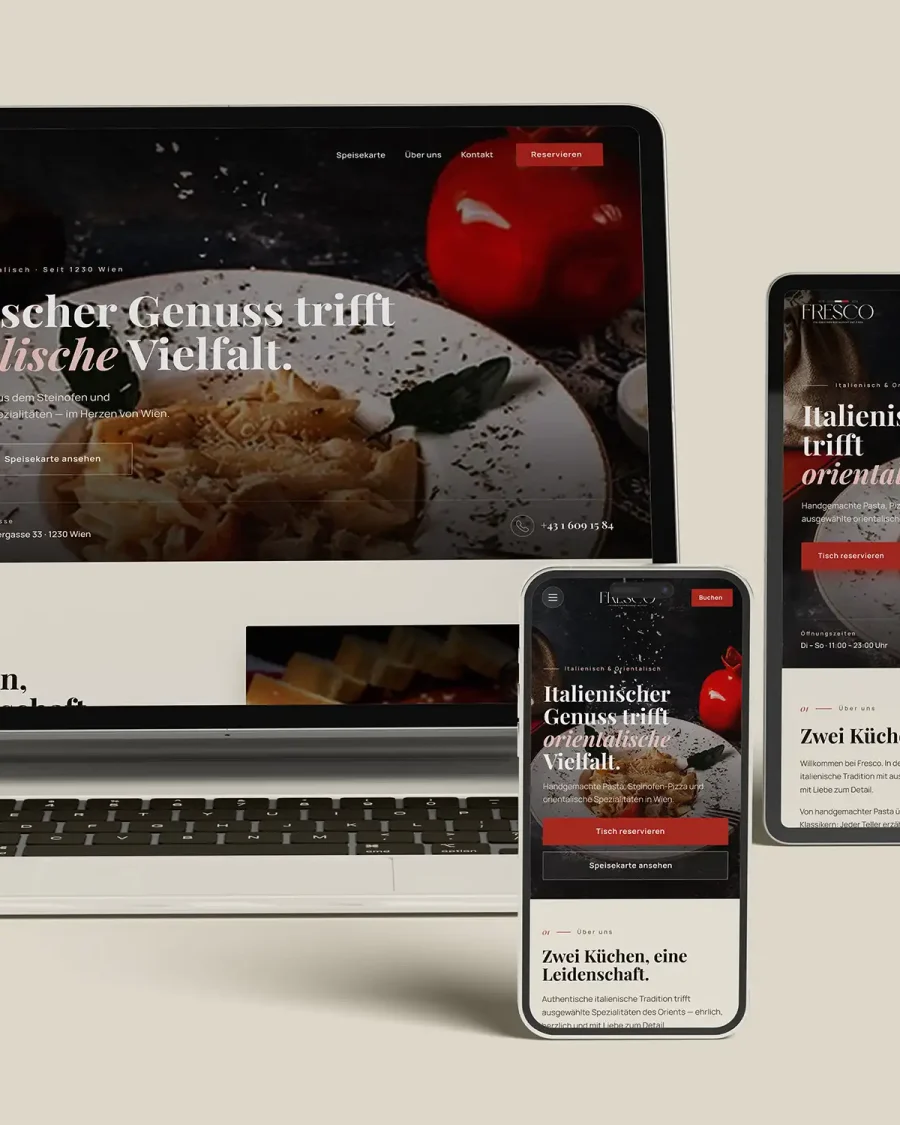
لا توجد باقات ثابتة
كل موقع متعدد اللغات يُحدد حسب لغاته.
لا أستخدم باقات ثابتة، لأن موقعًا بلغتين يختلف عن موقع بثلاث لغات مع RTL وSEO منفصل. بعد فهم اللغات والأسواق والمحتوى، أقدّم عرضًا يناسب النطاق الحقيقي.
08 / الأسئلة الشائعة
الأسئلة الشائعة
هل يكفي ترجمة المحتوى؟
لا.
هل تدعم RTL؟
نعم.
ما اللغات؟
العربية والإنجليزية والألمانية.
هل لكل لغة SEO خاص؟
نعم.
هل يمكن إضافة لغة إلى موقع قائم؟
نعم.
هل يمكن إدارة اللغات من WordPress؟
نعم.
هل توفر الترجمة أم أرسل المحتوى؟
يمكن أن يأتي المحتوى من طرفك أو نكيّفه معًا. التركيز على أن تناسب كل نسخة جمهورها، لا أن تكون ترجمة حرفية.
هل مشروعك يستهدف أكثر من لغة أو سوق؟
أرسل اللغات والأسواق وسنحدد البنية المناسبة.