Inconsistent look
When colors, fonts, and design style vary from one place to another, clients have a harder time remembering the brand.
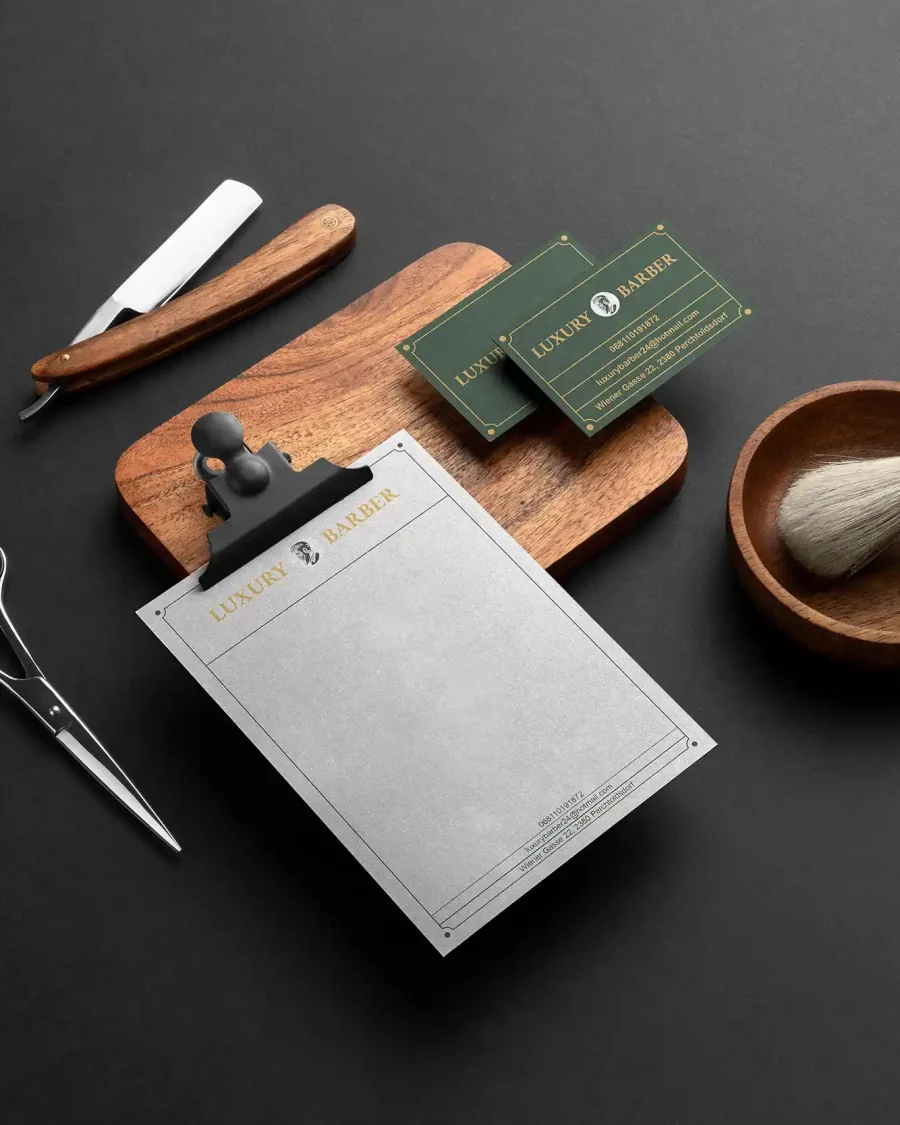
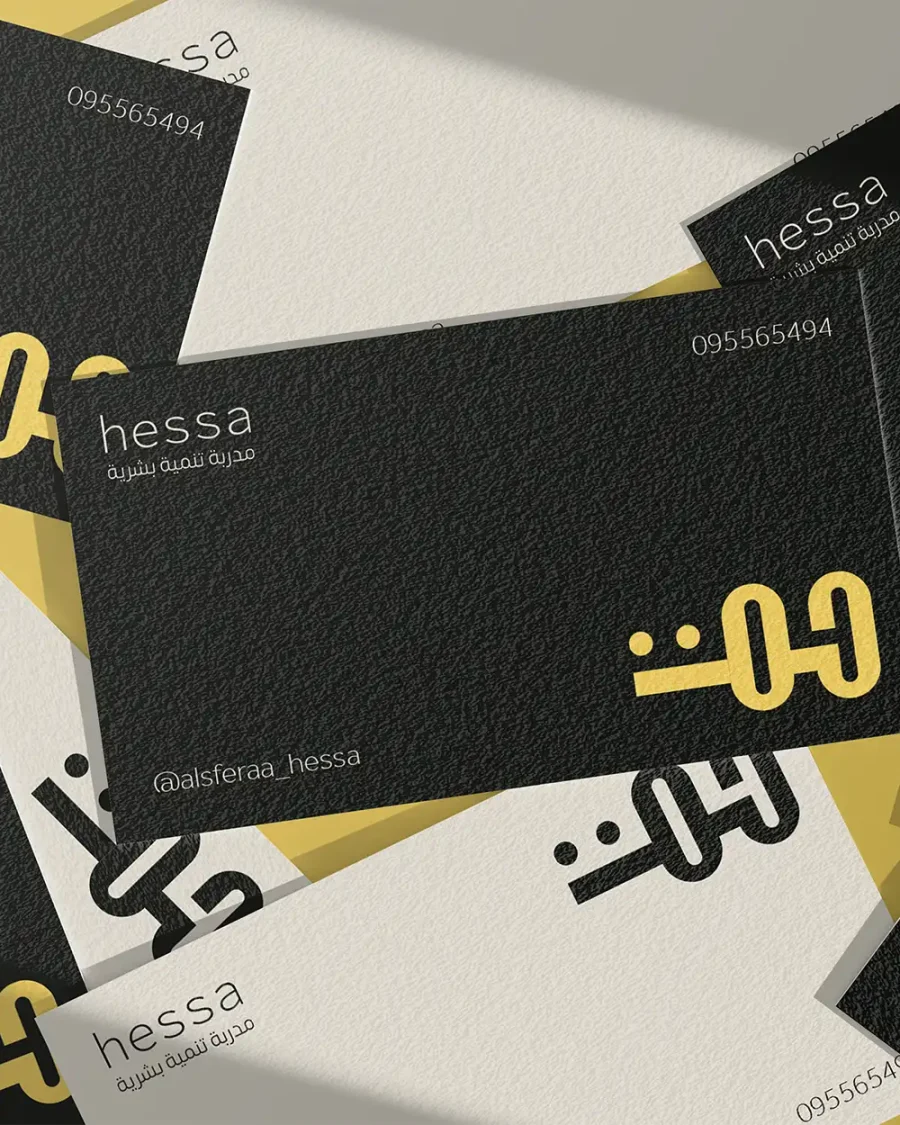
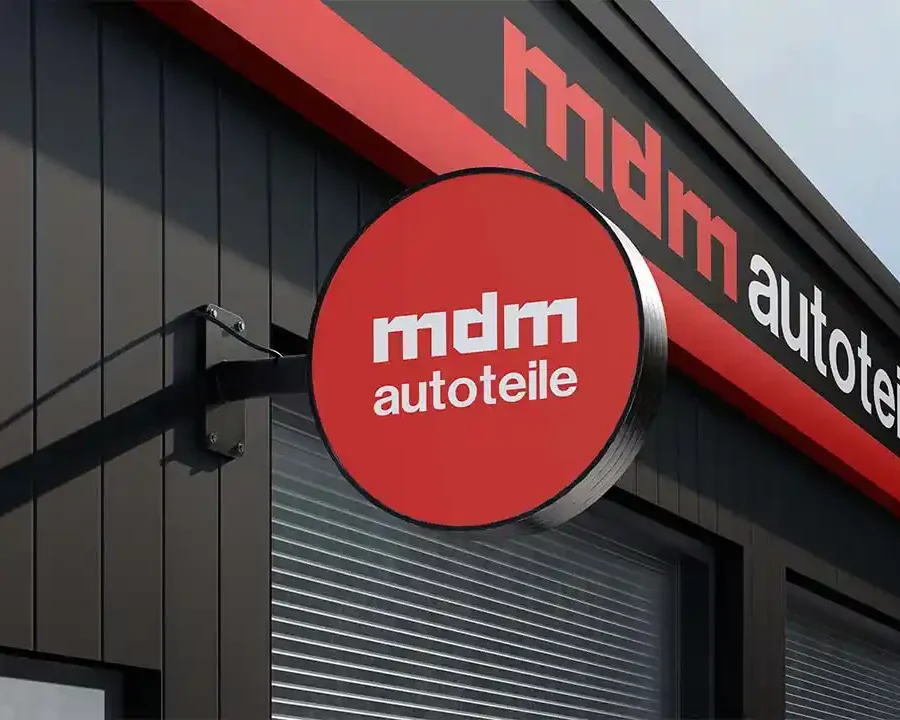
The logo is one part of it. Brand identity covers how the business looks on its website, on social media, in print and in its marketing.
Brand identity is broader than a logo. It's how your project appears at every touchpoint — your website, social media, print, presentations, ads — including how colors, typography, and images are used. I design consistent identities that make a brand clear, organized, and worthy of trust.
01 / The problem
Many projects start with a logo and stop there. The problem shows up later: every post has a different color, every file has a different style, the website doesn't match social media, and print materials don't match the logo. The result is a project that looks disorganized even when the service is good. Brand identity is a system that helps you use design consistently, clearly, and repeatably across every channel.
When colors, fonts, and design style vary from one place to another, clients have a harder time remembering the brand.
A logo matters, but it’s not enough on its own to build a complete visual presence.
A visually inconsistent project looks less professional than it actually is.
Without clear rules, every new design becomes a decision from scratch.
02 / The outcome
A good identity makes your project cohesive everywhere. When a client sees your website, business card, Instagram post, or pitch deck, it all feels like it belongs to the same brand.
A consistent visual look raises the client’s impression of the project.
Colors, typography, and a visual style that make the brand easier to remember.
Clear rules that help you apply the identity on your site, social media, and print materials.
The more consistent the look, the more a client trusts the project.
03 / What's included
The scope of an identity varies by project size. The goal is always a clear visual system that can be applied consistently.
Understanding the project’s nature, audience, market, and the values the identity should communicate.
Defining the brand’s style — modern, premium, friendly, technical, minimal, bold?
Choosing primary and secondary colors suited to the project and its applications.
Fonts suited for reading, headings, and digital or print materials.
How photographs, shapes, icons, patterns, and supporting elements are used.
Practical examples such as a business card, social cover, post, letterhead, or site interface based on need.
How to use colors, fonts, the logo, and spacing to keep the identity consistent.
Formats suited to digital use and print, based on project scope.
04 / Who it's for
Suited to any project that wants to appear clearly and consistently, whether just starting out or needing to develop an existing image.
Starting a business and wanting to build a professional image from the start.
You have a logo or previous designs, but the overall look is inconsistent.
The current identity no longer reflects the project’s level or the clients it’s targeting.
You use a website, social media, print, and ads and need a unified look.
You address Arabic-speaking and European audiences and need an identity that works across different visual and cultural environments.
Logo vs identity
The logo is your project's mark, but it's not the whole identity. Brand identity is the complete system that defines how your project appears everywhere.
05 / The process
Identity doesn't start from picking a nice color — it starts from understanding the project, the market, and the impression the brand needs to leave.
We start with the project’s nature, target audience, competitors, message, and the values you want the brand to express.
We determine the identity’s style — minimal, premium, contemporary, practical, human, technical, or a mix that suits the project.
I work on colors, typography, logo usage, images, and supporting visual elements.
I apply the identity to practical examples so it doesn’t stay theoretical — social media, print, or a site interface.
I prepare formats and files suited to digital use or print, based on project scope.
06 / Why me
Identity needs a design eye and real practical experience using design across websites, social media, and print. I don't design identities as isolated files — I build systems that can be used across the channels your project actually needs.
I understand how the identity will appear on a website, on a phone, on social media, and in print — not just inside a presentation file.
Identity needs to be visually strong, clear, practical to use, and easy to repeat.
Working with Arabic-speaking and European markets helps me account for differences in taste, language, and reception.
The identity can later connect to the website, logo, social media, and print materials within a single direction.
No fixed packages
I don't set fixed packages for identity, because some projects need just a logo and colors while others need a complete visual system that includes applications, print, social media, and a website. After understanding the project, I define the identity's scope and what it actually needs to appear consistent.
09 / FAQ
It depends on the scope.
Yes.
Yes.
Yes.
Yes. I account for multiple languages and markets — especially in font selection, logo direction, design orientation, and how the identity is applied.
It depends on the identity’s scope and number of applications. A simple identity differs from a complete visual system covering logo, colors, typography, print, and social media.
Yes — and that’s usually the best approach. When the identity and website are built in the same direction, the project becomes more cohesive and professional.
Start an identity project
If your project looks inconsistent, or you need to build a new brand from scratch, we start by understanding the project and then build an identity that reflects its value and suits its audience.